Every consultation is personalized and focused on individual goals, to make the most of our time together, we ask a few quick questions to ensure you are readyto take the next step
TL;DR: BBL recovery protects the transferred fat by reducing pressure, supporting blood flow, controlling swelling, and giving the body time to heal. The biggest wins come from following your surgeon’s exact aftercare plan, not guessing based on someone else’s recovery.
RELATED POSTS
BBL Recovery Tips: How to Protect Your Results
What to Expect After Body Lift Surgery: Week by Week
BBL Reduction: How to Make a Brazilian Butt Lift Smaller
Avoid sitting directly on your butt until cleared, and use a BBL pillow or thigh-supported position only as directed.
Sleep on your stomach or side to keep pressure off the newly transferred fat.
Wear your compression garment correctly to support liposuction areas and help manage swelling.
Walk gently early on, but hold off on workouts, lifting, squats, and intense movement until your surgeon approves.
Support BBL healing with protein, hydration, clean incision care, follow-up visits, and a stable weight.
The best way to protect your BBL results is simple: keep pressure off the butt, wear your compression garment as directed, move safely, eat enough protein, stay hydrated, and follow every custom instruction from your surgical team. A BBL is fat transfer. The transferred fat needs time, oxygen, and blood flow to settle into its new home.
At Cameo Surgery, Brazilian Butt Lift aftercare is not handed over as a vague packet and a “good luck.” You get a plan, support, garments, follow-up, and real guidance from people who do this every day.
Here are BBL recovery tips for after surgery that help protect the shape you invested in.
Why BBL Recovery Matters
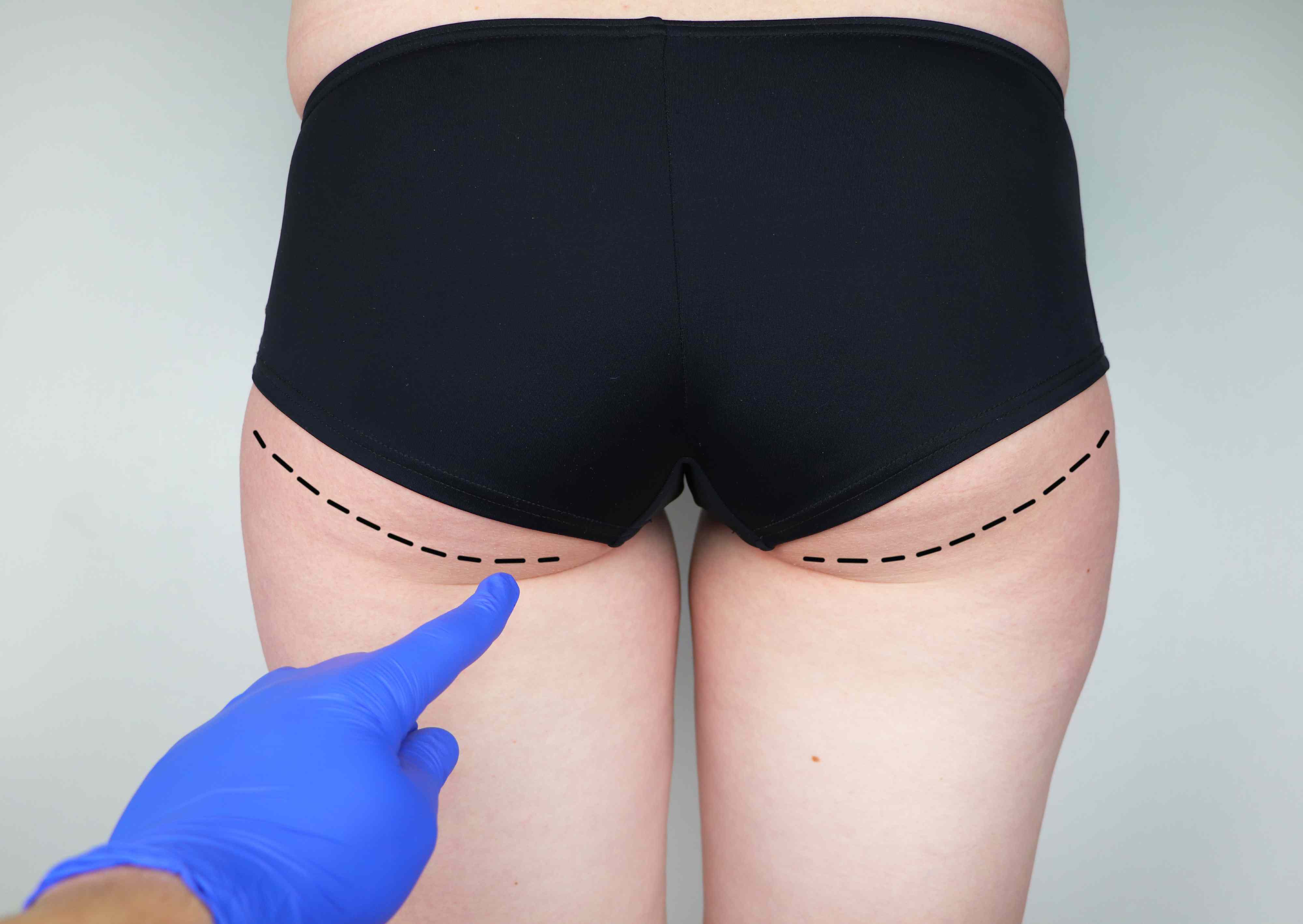
A Brazilian Butt Lift removes fat from areas like the abdomen, waist, flanks, back, or thighs, then transfers purified fat into the buttocks and hips. Your surgeon can sculpt the result in the operating room, but BBL healing continues at home.
Transferred fat is delicate during the early weeks. Too much pressure can limit blood flow, and skipping compression can make swelling more dramatic in the liposuction areas. Doing too much too soon can increase inflammation.
The goal of BBL recovery is smart movement, careful positioning, and consistency.
1. Do Not Sit Directly on Your Butt Too Soon
Direct pressure on fresh fat transfer areas can interfere with circulation and may affect volume or symmetry. Most patients need to avoid direct sitting for the early recovery window, then use a BBL pillow or thigh-supported position when their surgeon clears it.
Plan your life around this before surgery. Set up a reclined car ride, stomach or side sleeping options, and a safe way to use the bathroom without hanging out there scrolling.
Glamorous? No. Worth protecting your booty? Yes.
Cameo’s rule is customized to your case, so your exact sitting timeline may differ from someone on TikTok. Trust your experienced surgeon and your personalized post-op plan over a stranger.
2. Sleep on Your Stomach or Side
Sleeping on your back places pressure right where you do not want it. Most patients are advised to sleep on their stomach or side until cleared. Put pillows around your body so you do not roll over half-asleep.
If stomach sleeping makes your neck angry, adjust the setup before surgery. A dedicated side-sleeping pillow (which is typically a little higher) can help. Test a few different pillows, blankets, and mattress positions ahead of time. Future-you will appreciate not solving this at 2 a.m. in a garment.
3. Wear Your Compression Garment Correctly
Compression helps manage swelling and supports the areas treated with liposuction. It should feel snug, not like a medieval torture device. Wrinkles, folds, and tight bands can leave marks, irritate skin, or create uneven pressure.
Follow your team’s instructions on garment timing, fit, and when to move into the next stage. Do not cut it, loosen it randomly, or swap it for something “close enough” without asking. The garment is part of the plan.
4. Walk Early, Skip the Workout Heroics
Gentle walking supports circulation and can lower the risk of stiffness. Short, easy walks around your home are usually encouraged soon after surgery. Keep it boring. Boring is beautiful during BBL recovery.
Heavy lifting, lower-body workouts, running, squats, intense stretching, and big “I feel fine” energy need to wait until your surgeon clears them. Feeling better does not mean your tissues are fully ready. BBL healing has layers.
5. Eat Like Your Body Has a Job to Do
Your body is rebuilding. Feed it. Protein supports tissue repair, and fluids help your body move through swelling. Focus on balanced meals with lean proteins, fruits, vegetables, whole grains, and enough calories to maintain your weight.
Crash dieting after a BBL is a bad bargain. The transferred fat behaves like fat elsewhere on your body, so major weight loss can shrink your results. Major weight gain can change your shape in ways you did not ask for. Stable weight is the sweet spot.
6. Keep Incisions Clean and Follow Scar Instructions
Your incisions are small, but they still need to be kept clean and dry based on your post-op instructions. Do not apply random oils, scar creams, or peroxide unless your surgeon approves them.
At Cameo, scar management is part of the larger aftercare conversation. Good scars are not magic. They come from good technique, patient-specific care, and patience. Call the office if you notice spreading redness, unusual drainage, fever, worsening pain, chest pain, shortness of breath, or anything that feels off.
7. Expect Swelling and Shape Changes
The first look is not the final look. Swelling can make areas appear larger, firmer, lumpy, uneven, or just plain strange. Some transferred fat naturally does not survive. The contour then settles over time as swelling drops and surviving fat stabilizes.
Do not judge the result at week one. Do not compare one hip to the other every morning under harsh bathroom lighting. Take the photos your team requests, attend follow-ups, and let the process breathe.
8. Go to Every Follow-Up
Follow-up visits are how your team checks swelling, incisions, garment fit, massage timing, restrictions, and overall progress. BBL recovery tips only work when they are matched to the person in front of us. A BBL with lipo 360 may need different guidance than a smaller transfer.
Cameo does one to two surgeries a day for a reason. Patients are not rushed through a conveyor belt. You get hands-on care, including honest conversations during recovery.
Arrange help for children, pets, groceries, and driving.
Keep water, protein snacks, medication, and chargers nearby.
Wear loose clothing over your garment.
Avoid smoking, vaping, and nicotine, which can interfere with blood flow.
Ask before taking supplements or medications that may increase bleeding risk.
Use your BBL pillow only as directed.
Keep your phone nearby, but do not use the internet as your surgeon.
The Takeaway on BBL Recovery Tips
The best BBL recovery tips come down to protecting blood flow, controlling swelling, avoiding pressure, and staying consistent long enough for the transferred fat to stabilize. Your job is not to micromanage every inch of your body. Your job is to follow the plan and call when something does not feel right.
At Cameo Surgery, BBL recovery is built around safety, communication, and protecting the result DrBfixin created. We want you healed, happy, and looking like you did the thing—without looking like the thing did you.



.png)


.png)


.png)
 introduction
video
introduction
video Dr. Scott
.png)